


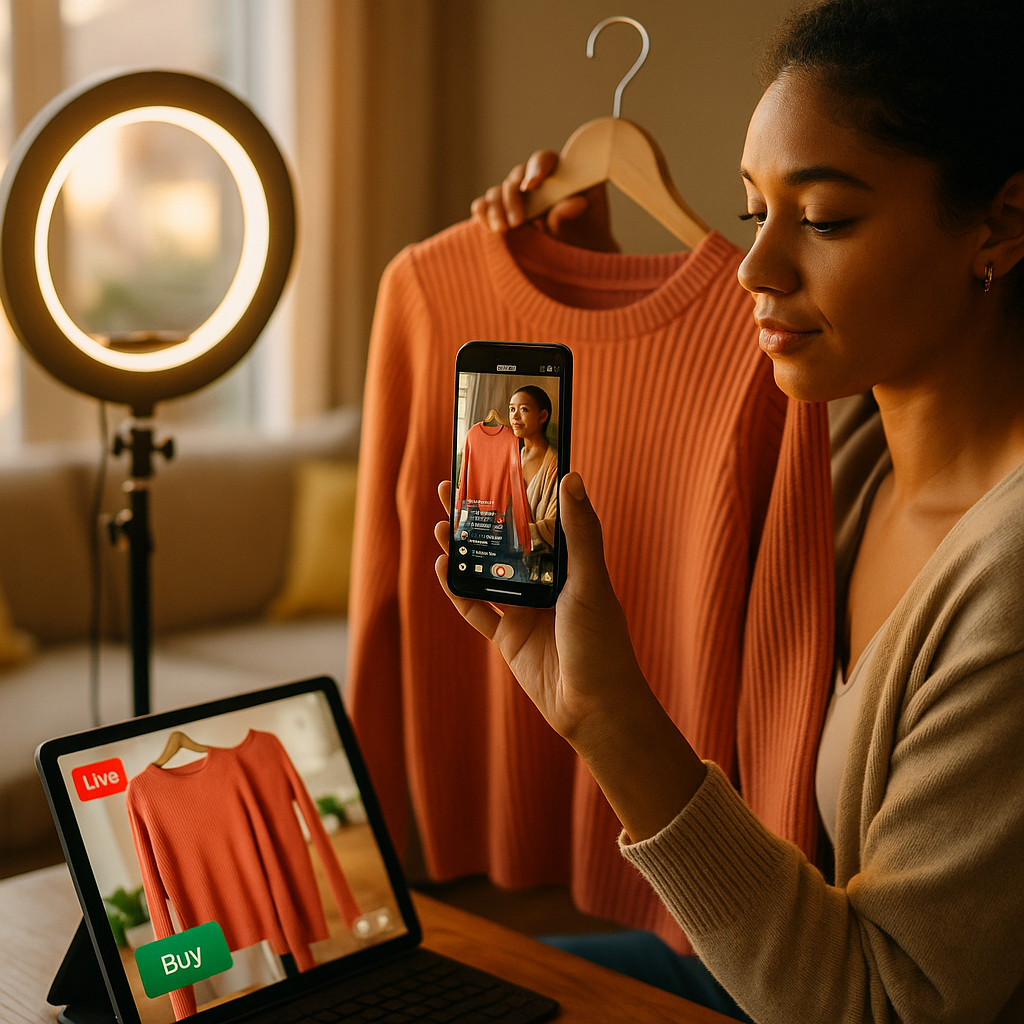
Social commerce and live shopping are transforming the digital retail landscape as we approach 2026. Businesses and consumers alike are embracing new trends in this dynamic sector, leveraging technology to create more interactive and persuasive shopping experiences. What does the future hold for social commerce and live shopping—and how should brands prepare for it?
The Rise of Social Commerce Platforms in 2026
The future of social commerce will be defined by seamless integration between social platforms and e-commerce. Platforms like Instagram, TikTok, and Facebook are doubling down on native store features, payment systems, and AI-powered recommendations. According to eMarketer, over 35% of all online retail sales are facilitated by social platforms in 2025, signaling that dedicated social commerce tools are more vital than ever.
Advanced algorithms now ensure that product content targets the right audiences. In-app purchasing is smoother thanks to biometric authentication and one-click checkout. Influencer partnerships are becoming longer-term, driven by first-party data sharing and advanced analytics. The result? Social commerce is evolving from simple “shoppable posts” to immersive storefronts that encourage repeat engagement.
Consumer Trust and Authenticity: Building Credibility
For social commerce to thrive, brands must foster consumer trust and authenticity. Younger audiences, particularly Gen Z, are wary of overly promotional tactics and seek genuine interaction before committing to a purchase. The most successful brands in 2026 deploy user-generated content, transparent product reviews, and live product demonstrations to foster trust on social platforms.
Enhanced verification systems, including verified merchant badges and AI-driven review moderation, help consumers distinguish reputable sellers from scammers. Trust-building is also reinforced by transparent return policies and responsive customer support directly within social platforms. Authenticity, transparency, and direct community engagement have become essential to social commerce growth.
The Evolution of Live Shopping Experiences
Live shopping is set to become the centerpiece of digital retail in 2026. This real-time format combines entertaining video content with instant purchasing, allowing broadcasters to answer questions, showcase product features, and close sales on the spot.
Platforms are investing in tools that allow multi-host streams, AR product try-ons, and direct viewer polls. Streamers now benefit from more robust analytics—tracking viewer sentiment and conversion rates in real-time. As a result, brands can quickly adapt their live shopping strategies, personalize experiences, and drive higher engagement.
Successful live shopping campaigns are increasingly data-driven: AI analyzes browsing behavior and tailors live offers accordingly. Ultimately, live shopping blurs the line between content and commerce, making every broadcast a selling opportunity.
Social Commerce and the Power of Personalization
Personalization will be a major driver of social commerce’s continued rise. Consumers expect product recommendations that match their tastes, shopping histories, and even current moods. Social platforms in 2026 use AI and machine learning to craft hyper-customized shopping feeds and campaign targeting strategies.
This level of personalization goes far beyond demographic profiling. For example, by analyzing engagement patterns, platforms curate product drops and flash sales only for highly-engaged followers, rewarding loyalty and increasing conversion rates. Personalization also empowers brands to deliver tailored live events—such as exclusive Q&A sessions with influencers—based on individual shopper preferences.
The power of personalization keeps consumers returning to social platforms for shopping, ensuring higher retention and lifetime value.
The Role of Emerging Technologies in Social Commerce
Emerging technologies, especially AI, AR, and VR, are poised to redefine the customer journey within social commerce. AI-driven chatbots now handle anything from sizing questions to product recommendations, offering 24/7 guidance without human intervention.
Augmented reality enables customers to virtually try on clothing, accessories, or makeup via their smartphone cameras—a key differentiator in 2026. Meanwhile, virtual reality creates immersive showrooms where shoppers can explore curated products in lifelike digital spaces. Blockchain technology ensures more secure transactions, and smart contracts automate commission for influencer-driven sales.
Embracing these new technologies positions brands ahead of the competition and meets shoppers’ growing expectations for convenience and novelty.
Data Privacy, Regulations, and Ethical Responsibility
With the rapid advancements in technology and personalization, protecting customer data is paramount. Regulatory frameworks now require full transparency around data usage, ad targeting, and consent. Consumers want to know how their data is collected and monetized by social platforms and brands.
Social commerce leaders in 2026 invest heavily in robust data protection systems and educate users about privacy options. Ethical practices—such as clear disclaimers for sponsored content and fair fair-trade product sourcing—are non-negotiable. Brands that champion digital responsibility are rewarded with higher trust and loyalty.
Conclusion: Preparing for a Social Commerce Revolution
The future of social commerce and live shopping in 2026 promises unparalleled opportunities for engagement and growth. Success will hinge on blending authenticity, cutting-edge technology, and ethical practices. Proactive brands should start refining their strategies today to secure a competitive edge in tomorrow’s rapidly evolving digital marketplace.
FAQs About the Future of Social Commerce and Live Shopping
-
What is social commerce?
Social commerce refers to buying and selling products directly within social media platforms, using features like in-app stores, shoppable posts, and embedded payment solutions.
-
How does live shopping benefit brands?
Live shopping enables brands to engage customers in real-time, demonstrate products interactively, answer questions immediately, and drive impulse purchases—all within an entertaining format.
-
Why is personalization important in social commerce?
Personalization increases relevance and engagement, resulting in higher conversion rates and repeat purchases. It leverages AI to curate offers and experiences that match each consumer’s unique preferences and behaviors.
-
What technologies are shaping social commerce in 2026?
AI, AR, and VR are front-runners—powering smarter recommendations, interactive try-ons, and immersive shopping journeys. Blockchain and enhanced payment systems add security and efficiency.
-
How are data privacy and trust addressed in social commerce?
Platforms must comply with stricter data privacy regulations and implement transparent policies. Brands build trust by clearly communicating data usage, offering secure shopping, and providing genuine, ethical content and service.
Top Influencer Marketing Agencies
The leading agencies shaping influencer marketing in 2026
Agencies ranked by campaign performance, client diversity, platform expertise, proven ROI, industry recognition, and client satisfaction. Assessed through verified case studies, reviews, and industry consultations.
Moburst

-
2

The Shelf
Boutique Beauty & Lifestyle Influencer AgencyA data-driven boutique agency specializing exclusively in beauty, wellness, and lifestyle influencer campaigns on Instagram and TikTok. Best for brands already focused on the beauty/personal care space that need curated, aesthetic-driven content.Clients: Pepsi, The Honest Company, Hims, Elf Cosmetics, Pure LeafVisit The Shelf → -
3

Audiencly
Niche Gaming & Esports Influencer AgencyA specialized agency focused exclusively on gaming and esports creators on YouTube, Twitch, and TikTok. Ideal if your campaign is 100% gaming-focused — from game launches to hardware and esports events.Clients: Epic Games, NordVPN, Ubisoft, Wargaming, Tencent GamesVisit Audiencly → -
4

Viral Nation
Global Influencer Marketing & Talent AgencyA dual talent management and marketing agency with proprietary brand safety tools and a global creator network spanning nano-influencers to celebrities across all major platforms.Clients: Meta, Activision Blizzard, Energizer, Aston Martin, WalmartVisit Viral Nation → -
5

The Influencer Marketing Factory
TikTok, Instagram & YouTube CampaignsA full-service agency with strong TikTok expertise, offering end-to-end campaign management from influencer discovery through performance reporting with a focus on platform-native content.Clients: Google, Snapchat, Universal Music, Bumble, YelpVisit TIMF → -
6

NeoReach
Enterprise Analytics & Influencer CampaignsAn enterprise-focused agency combining managed campaigns with a powerful self-service data platform for influencer search, audience analytics, and attribution modeling.Clients: Amazon, Airbnb, Netflix, Honda, The New York TimesVisit NeoReach → -
7

Ubiquitous
Creator-First Marketing PlatformA tech-driven platform combining self-service tools with managed campaign options, emphasizing speed and scalability for brands managing multiple influencer relationships.Clients: Lyft, Disney, Target, American Eagle, NetflixVisit Ubiquitous → -
8

Obviously
Scalable Enterprise Influencer CampaignsA tech-enabled agency built for high-volume campaigns, coordinating hundreds of creators simultaneously with end-to-end logistics, content rights management, and product seeding.Clients: Google, Ulta Beauty, Converse, AmazonVisit Obviously →